What Is Blockchain?
Blockchain is a system for recording information in a way that makes it difficult to change, hack, or manipulate. It acts as a shared digital record maintained by many independent participants.
Quick Video Overview
Watch a short 3-minute explanation before diving deeper into the technical details.
Blockchain Explained Visually
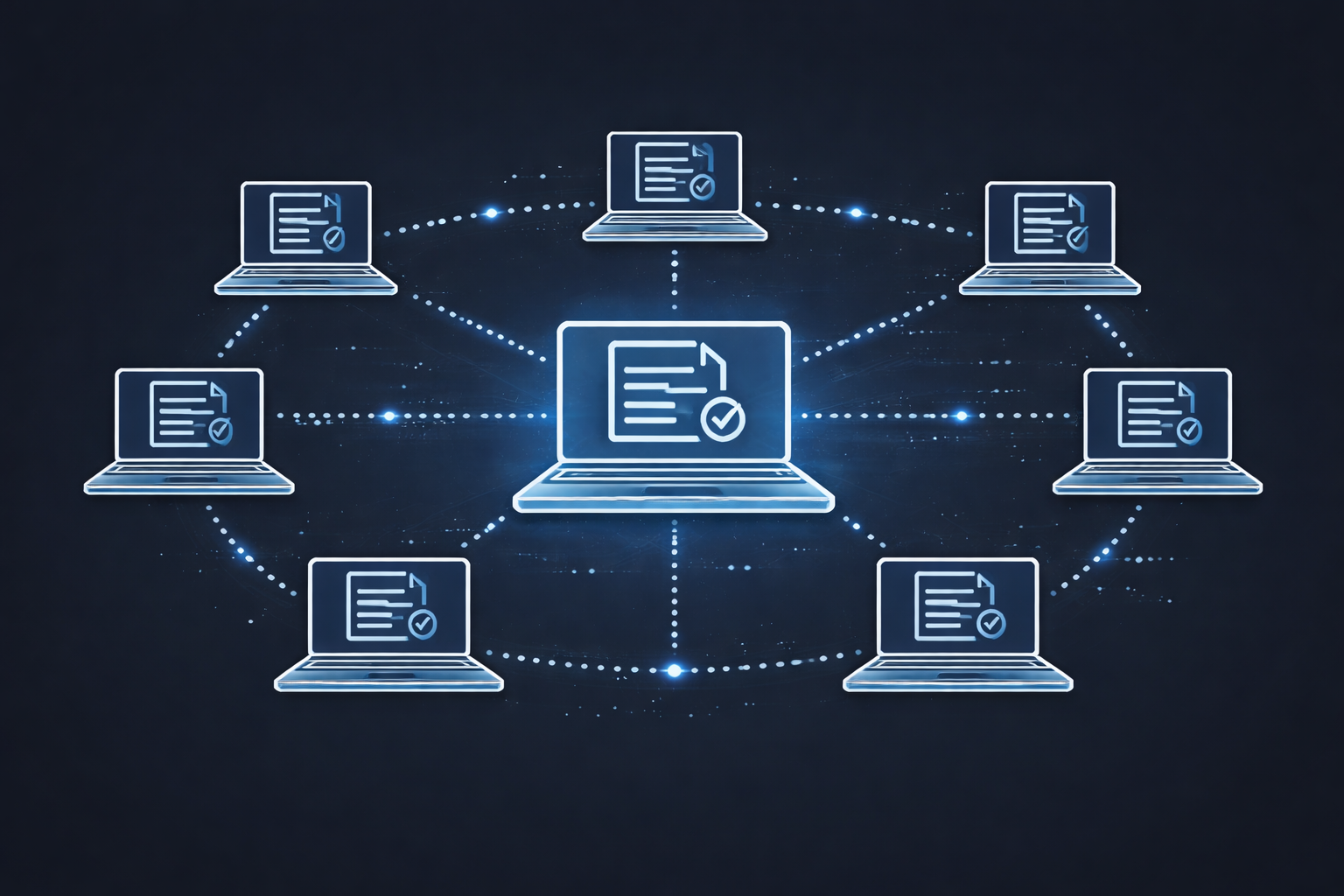
Shared Ledger
Every participant holds a copy of the same ledger. No single entity owns the data.
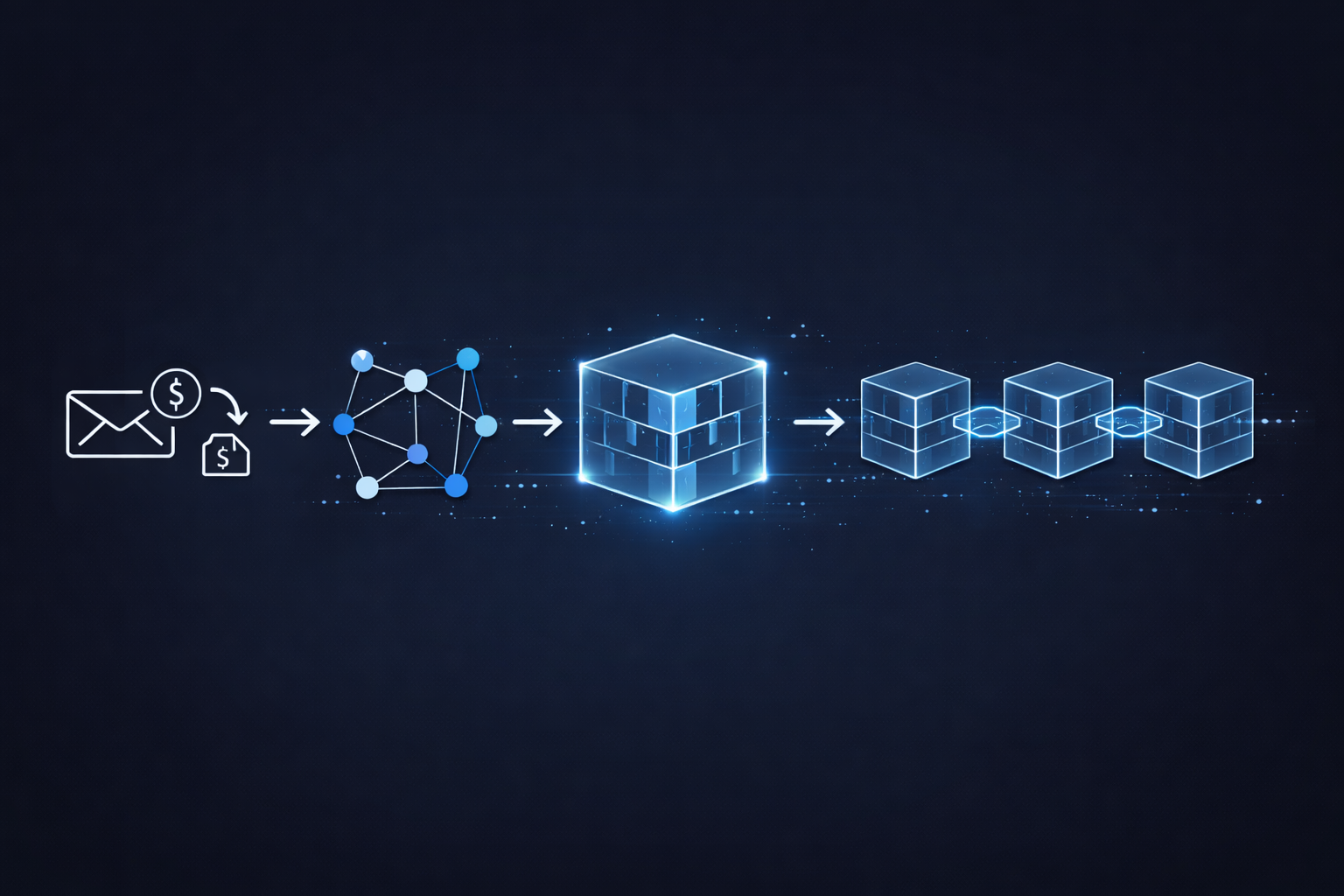
Transaction Flow
Transactions are verified, grouped into blocks, and permanently recorded.
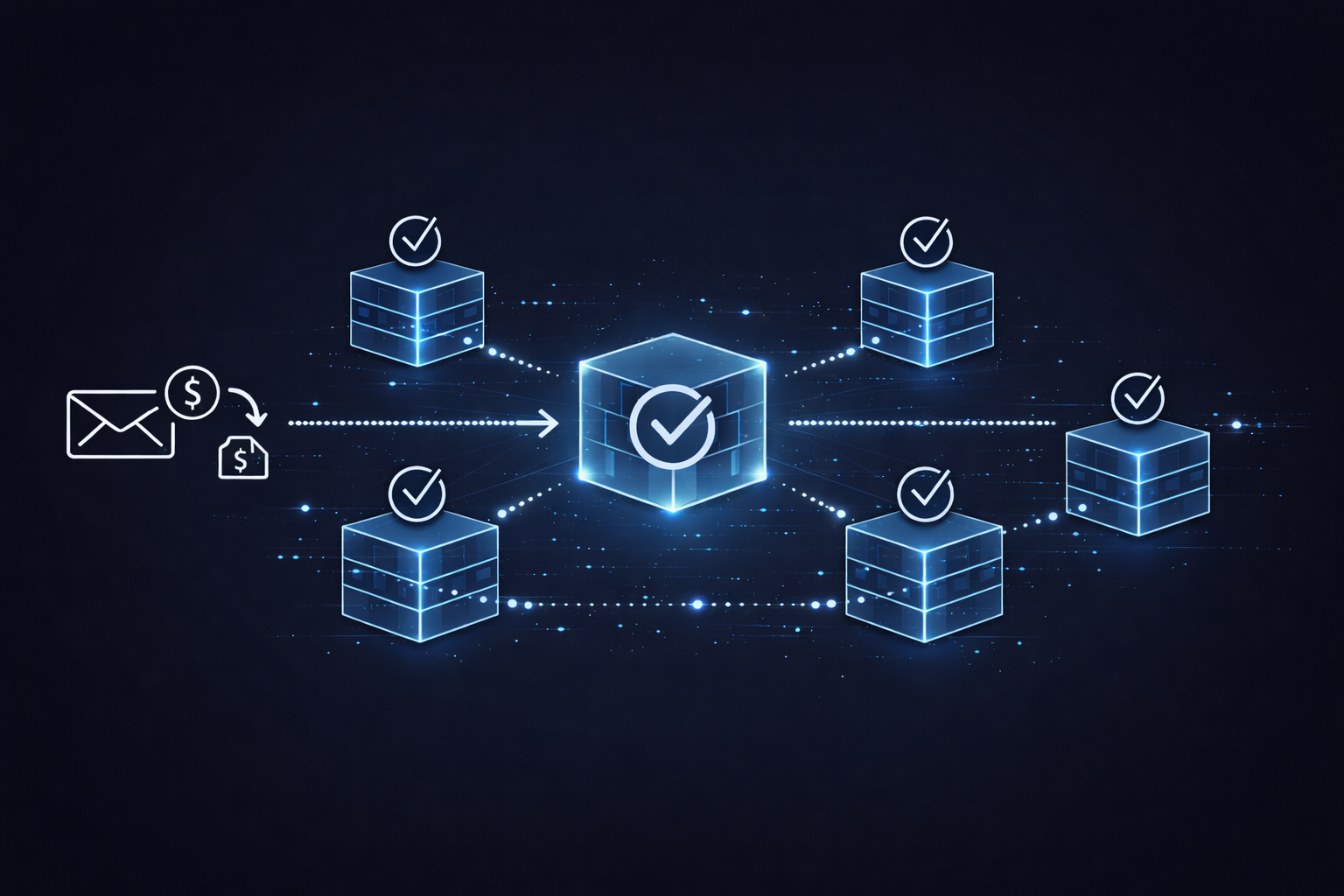
Network Validation
Independent computers validate transactions using agreed rules called consensus.
How Blockchain Works
When a transaction occurs, it is broadcast to a network of computers called nodes. These nodes validate the transaction according to predefined rules.
Once verified, transactions are bundled into a block. Each block is linked to the previous one, forming a chain that cannot be altered without network-wide agreement.
Why Blockchain Is Secure
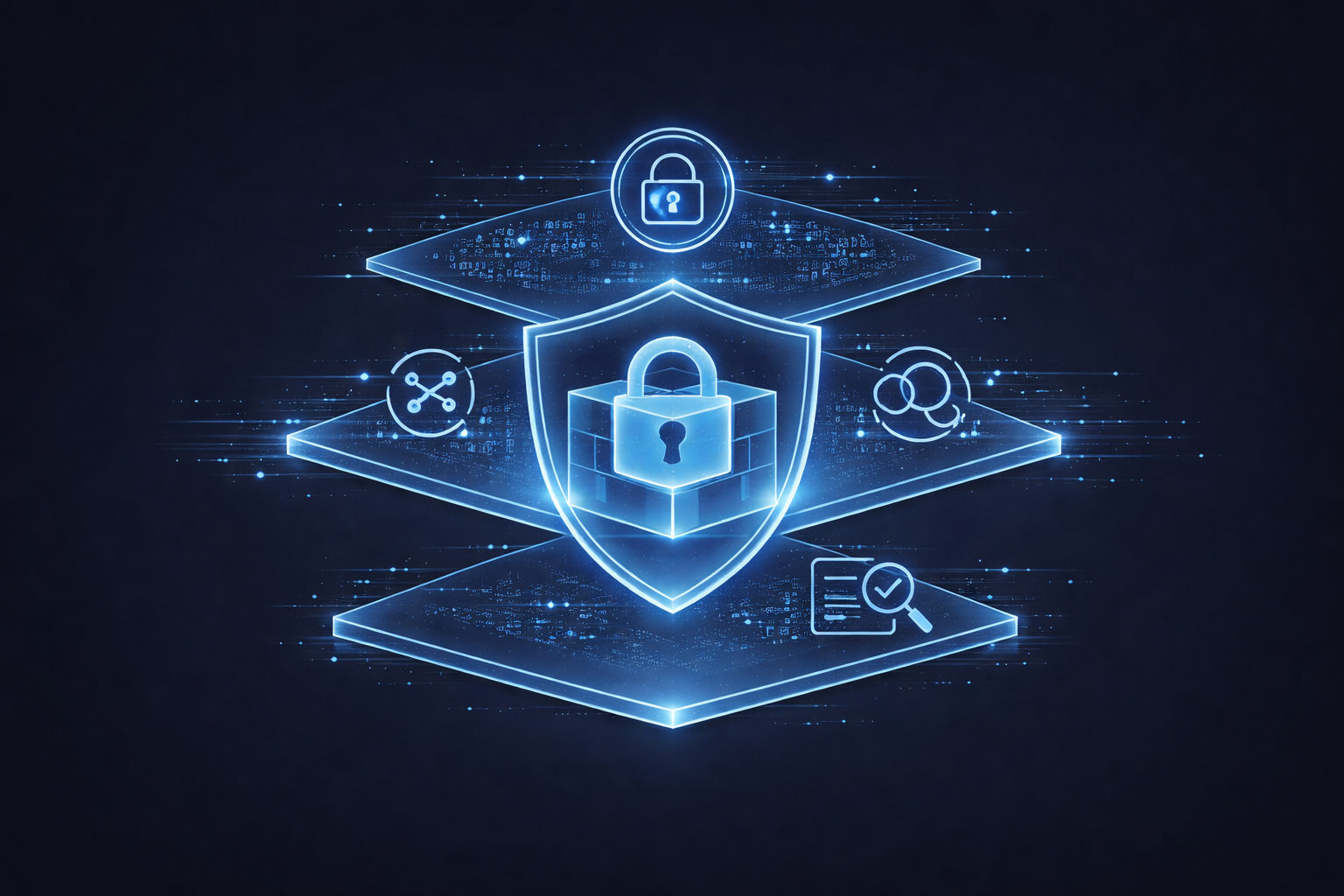
Cryptography, decentralization, and transparency work together to protect blockchain data.
Real-World Uses of Blockchain
- Cryptocurrencies and digital payments
- Supply chain tracking and verification
- Digital identity systems
- Smart contracts and automation
Exploring Blockchain Platforms
Many cryptocurrency exchanges allow users to explore blockchain-based assets. If you're starting out, use regulated platforms and enable security protections.
Limitations and Challenges
Blockchain is not perfect. It can be slower than traditional databases and may consume significant energy depending on the consensus method used.
Key Takeaways
- Blockchain is a shared and tamper-resistant digital record
- No central authority controls the system
- Security comes from cryptography and decentralization
- It supports many applications beyond cryptocurrencies
Disclaimer: This content is for educational purposes only and does not constitute financial advice.
Frequently Asked Questions
Is blockchain the same as Bitcoin?
No. Bitcoin uses blockchain technology, but blockchain has many other applications beyond cryptocurrency.
Can blockchain be hacked?
The core blockchain network is extremely difficult to hack due to decentralization and cryptography, but applications built on it may have vulnerabilities.
Why is blockchain important?
It enables decentralized systems where data integrity can be verified without central control.